
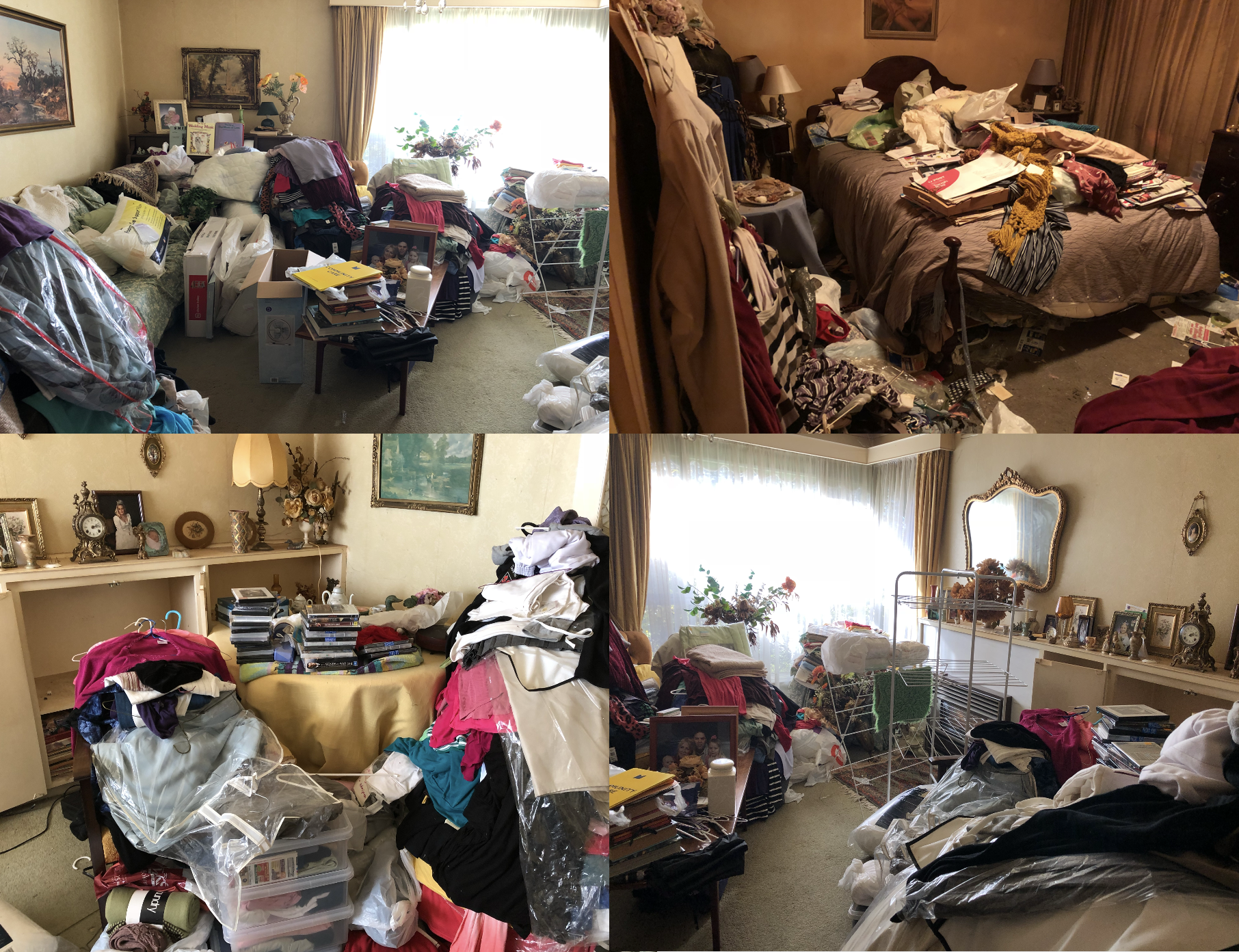
Downsizing is often the right decision on paper. A smaller home means less upkeep, lower costs and more time for the things you enjoy. But the process still asks you to sort through decades of belongings, and many of those belongings carry memories that outweigh their practical use.
The dining table where you hosted every family Christmas; the box of your children’s school reports; the armchair that was your late partner’s favourite spot. None of these is simple to part with, even when you know that moving is the right choice.
Understanding why downsizing feels heavy, and having a plan for working through those feelings, can make the process far more manageable.
Why Downsizing Brings Up So Much Emotion
Sorting through a household’s worth of belongings means making hundreds of small decisions, and each one asks you to weigh up sentiment against space. This is tiring on a level that eclipses the physical work.
You might feel grief for a chapter of life that is ending. You might feel guilt about letting go of a gift from a loved one. You might feel anxious about starting again somewhere new, or relieved that the upkeep of a big home will soon be behind you. More often than not, you’ll feel several feelings at once, and that is completely normal. Downsizing is a huge life transition.
Strategies That Make Downsizing Easier
Separate Emotional and Practical Decluttering
Sorting through paperwork, duplicates, and general storage takes less emotional energy than sorting through photo albums, letters, and heirlooms. Tackle the practical decluttering on their own days, and save sentimental items for days when you have more time and a clearer head.
Practical groups of belongings that are usually quick to work through include:
- Expired warranties, manuals and old receipts
- Duplicate kitchenware and linen
- Outdated paperwork and superseded documents
- Items already boxed in general storage that haven’t been opened in years
Working through these first also gives you a clear run at the harder, more sentimental belongings without clutter slowing you down.
Start With the Easiest Rooms First
A garage, linen cupboard or laundry rarely holds much emotional weight, and clearing these spaces first builds momentum before you move on to rooms with stronger memories attached, such as a family kitchen or a child’s old bedroom.
Low-emotion spaces to start with might include:
- The garage or garden shed
- Linen and utility cupboards
- The laundry
- Spare storage rooms or under-stair cupboards
Clearing these spaces early also gives you an empty room to use as a temporary sorting area, which can make the rest of the process far more organised.
Give Yourself More Time Than You Think You Need
These belongings were collected over years, so sorting through them in a few days puts unfair pressure on you. As a general guide, aim to start decluttering eight to twelve weeks before your move date if your schedule allows it, and set aside at least a full weekend for each major room. Break the timeline into smaller goals for each room, and allow time for rest days so you don’t burn out halfway through.
Keep a List of Your Reasons for Downsizing
Write down what you’re moving toward, whether that’s lower bills, less maintenance, more time for travel, being closer to family, or moving to a community that allows you to build more social connections. Keep the list somewhere you’ll see it, such as on the fridge or in a notebook you’re using to plan the move, so it works as a reminder when feelings of uncertainty or sadness arise.
Photograph Items Before Letting Them Go
A photo of a treasured collection, a favourite piece of furniture or a room exactly as it was lets you keep the memory without keeping the object. Create a single folder on your phone organised by room, and add a short caption or voice note with the story behind an item rather than photographing every individual piece. This keeps the collection manageable and easy to look back on later.
Create a Memory Box
You might also consider creating a designated memory box for the most sentimental keepsakes, allowing you to hold on to a small selection of meaningful items while letting go of larger collections.
Involve Family Early, but Manage Expectations
Ask relatives if they’d like specific items before you donate or sell them, and set a clear date for them to let you know or collect items by. A firm deadline keeps the process moving and avoids items sitting in limbo for weeks. At the same time, remember their memories of these items may differ from yours, and not everyone will want or need what you’re offering.
Give Yourself a Moment of Closure
A final walk through each room, or simply sitting for a few minutes before the removalists arrive, helps some people mark the end of one chapter before starting the next. Some families find it helpful to mark the moment more deliberately, whether that’s a final cup of tea in the old kitchen, a last photo of the house exterior, or inviting close family over for one final visit before settlement.
Lean on Family and Friends
You don’t have to sort through everything on your own. Family members and close friends can help with more than just the physical side of downsizing. Having someone with you while you go through sentimental items gives you support in the moment, and a second pair of hands often makes sorting, lifting, and packing move faster too. Even asking someone to sit with you for an afternoon while you work through a difficult room can change how that day feels.
Getting Support With the Physical Side
Even with a solid plan, downsizing takes time and energy that not everyone has to spare, particularly if you’re managing work, family or health commitments alongside the move.
This is where practical support makes a real difference. At Home Moving Planners, our downsizing service is built specifically to help people move from a larger home into a smaller property, retirement village or aged care setting, with a plan suited to your timeline.
If the volume of belongings feels overwhelming, our house clearance service can sort, remove and dispose of items on your behalf, so you can focus on the decisions that matter most rather than the physical sorting.
Once you know what’s coming with you, our packing and unpacking service takes care of the move itself, including setting up your new home so it feels familiar from the day you arrive.
You Don’t Have to Manage This Alone
Downsizing is a big step, and the emotions that arise are a normal part of the process. With the right pace, a clear plan and support where you need it, the transition can be far more manageable.
If you’d like help planning your downsizing move, get in touch with Home Moving Planners to talk through your timeline and how we can support you.