
Making the decision to move a parent into aged care is never easy. When you are managing the process from interstate, it can add another layer of complexity, stress and pressure. Many families find themselves trying to coordinate decisions, organise the home, and support their parent emotionally, all while being physically removed from the situation.
This transition is not just about logistics. It involves navigating emotional attachments, time constraints, and practical responsibilities, often within a short timeframe. The key is to approach the process in a structured and organised way, while ensuring your parent feels supported and included throughout.
Below we outline practical steps to help manage a parent’s move to aged care from interstate as smoothly and efficiently as possible.

1. Start the Conversation Early Where Possible
If circumstances allow, it is always best to begin discussions about aged care before the move becomes urgent. Unexpected events such as illness, injury or a fall can force quick decisions, which can make the process more stressful for everyone involved.
Having early and ongoing conversations allows time to explore options, address concerns, and prepare emotionally. It also helps your parent feel involved in the decision rather than feeling like the move is being made for them.
2. Understand Timelines and Plan From a Distance
When managing a move from interstate, planning becomes even more important. You may be working around limited travel windows, property timelines, or availability at the aged care facility.
Understanding key dates early such as move-in requirements, property sale timelines or lease obligations allows you to plan the process in stages. This also helps determine whether you can manage the move yourself or if professional support is needed to keep everything on track.
3. Involve Your Parent in the Process
Even when coordinating from interstate, it is important that your parent remains part of the decision-making process. This includes choosing what items to bring, how their new space will be set up, and what feels most important to them.
Allowing your parent to have input helps maintain a sense of control and dignity during what can be a significant life transition. While decisions may not always align, ensuring they feel heard and respected makes a meaningful difference to how the move is experienced.
4. Prepare the Home for Sale Early
If the family home will be sold, starting the decluttering and clearing process before the move can make a significant difference.
Pre-sale decluttering not only improves the presentation of the property for sale, it also reduces the amount of work required after contracts are signed. This prevents the process from becoming rushed and overwhelming, particularly when you are coordinating from interstate.
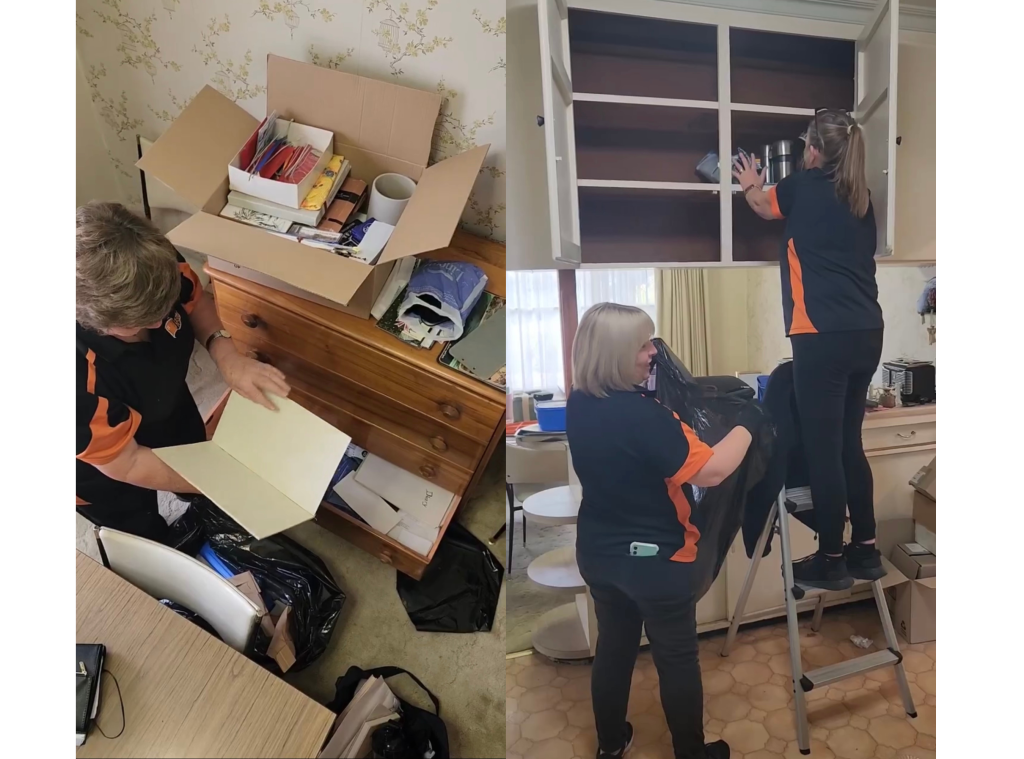
Engaging a professional service to assist with decluttering and preparing the home can streamline this stage and remove the pressure of trying to manage everything remotely.

5. Measure and Plan What Can Be Taken
Aged care rooms are often significantly smaller than a family home, and each facility has its own guidelines around what can be brought in.
Measuring the room and understanding these requirements early helps avoid overpacking and unnecessary stress. It is important to prioritise key furniture pieces and personal items that will make the space feel familiar and comfortable.
Bringing too much can make the move-in process overwhelming and may result in items needing to be removed later, adding unnecessary work and cost.
6. Sort Belongings in a Structured Way
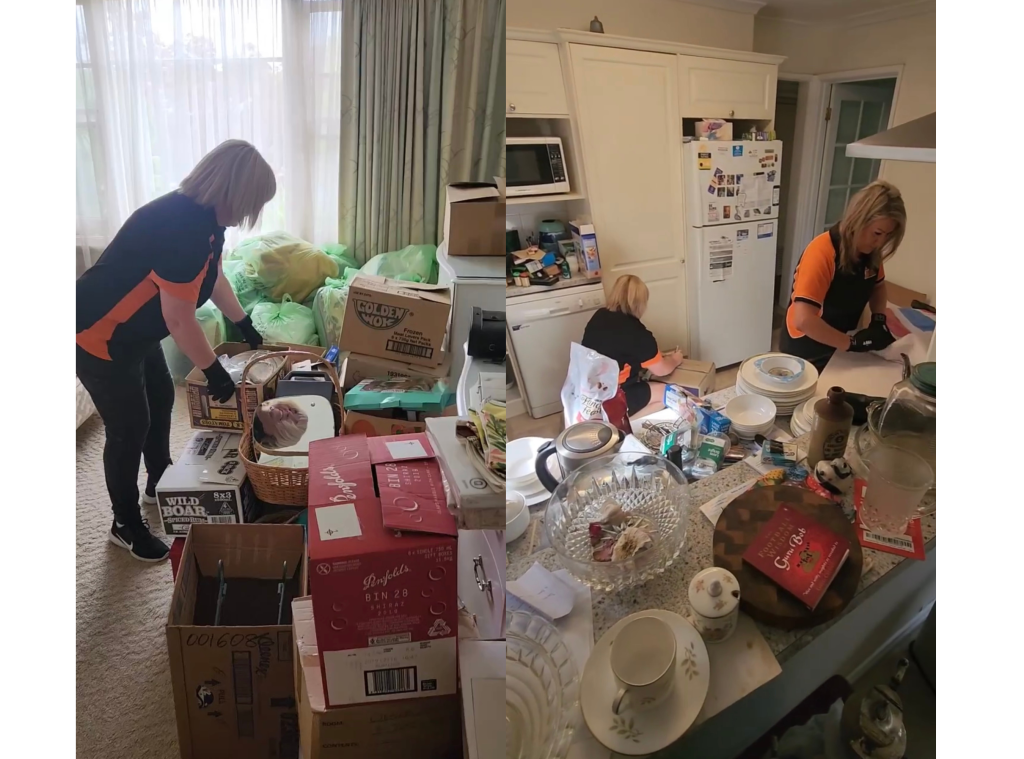
Sorting through a lifetime of belongings can be one of the most time-consuming parts of the process, particularly when you are not physically present.
A practical approach is to start with personal and sentimental items first. This includes photographs, jewellery, letters and keepsakes that are meaningful to your parent. These items should be prioritised for the move or distributed to family members.
From there, identify any items that may be saleable. Assessing these first avoids going backwards and forwards, as anything that cannot be sold can then move directly into the donation category.
The remaining items can be sorted into clear categories:
- Items to keep
- Items to sell
- Items to donate
- Items to dispose of
Working room by room helps keep the process organised and ensures steady progress.
7. Stay Organised and Maintain Momentum
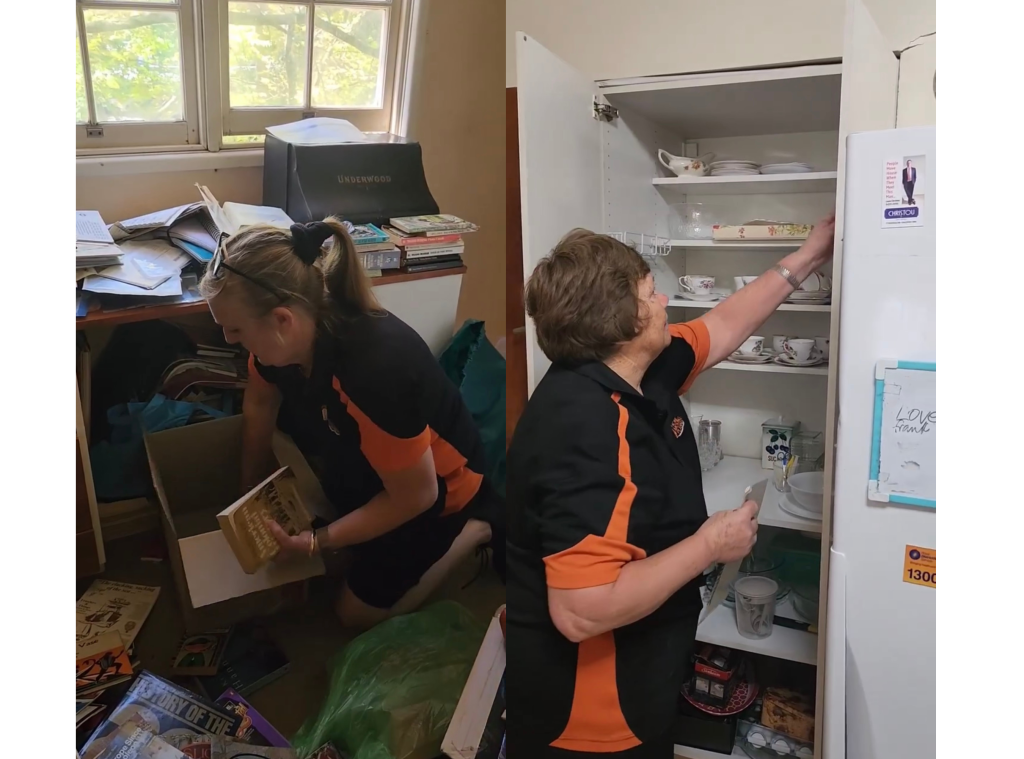
When managing a move remotely, clear organisation is essential. Small systems can make a big difference in keeping everything on track.
Helpful tips include:
- Work room by room to keep progress visible and prevent feeling scattered
- Label boxes clearly for donation, sale, storage or disposal
- Use colour-coded stickers when multiple people are involved
- Clear pathways early to make moving larger items easier
- Set achievable daily goals to maintain momentum
- Schedule regular breaks to avoid burnout
- Photograph rooms before and after to track progress
- Invite help from friends, family or professionals to assist on the ground
These small steps help reduce confusion and ensure nothing is overlooked.
8. Consider Professional Packing and Moving Support
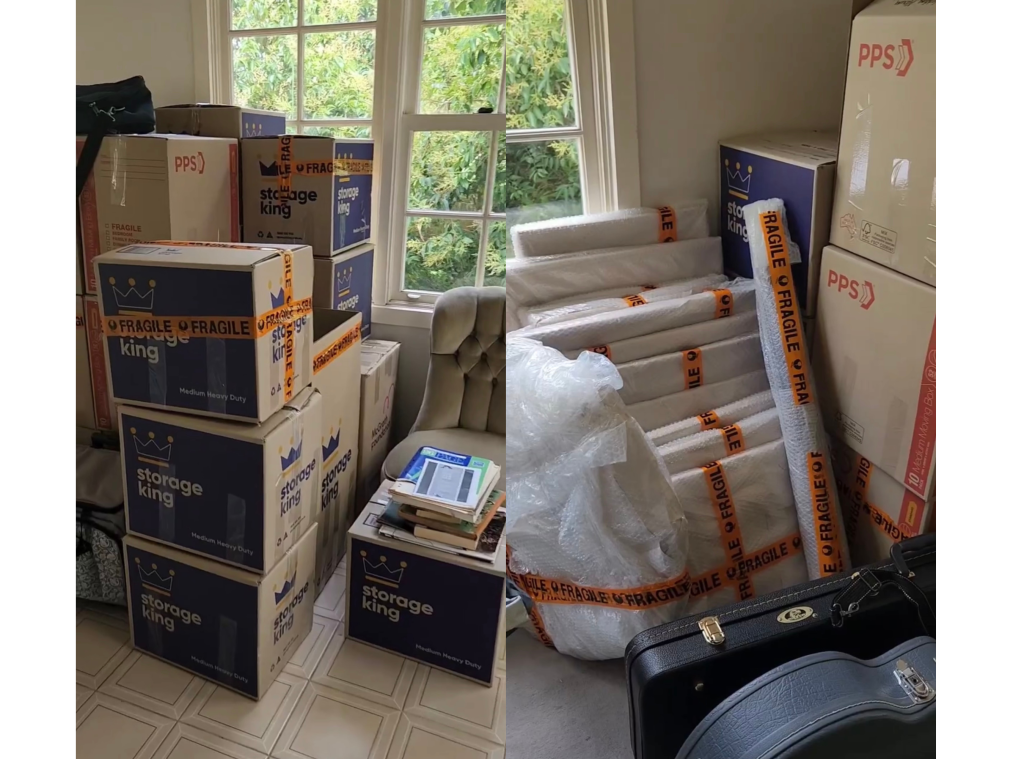
Managing a move from interstate often means limited time on the ground. Hiring professional Downsizing and Aged Care Relocation Services to assist with packing, moving and unpacking can significantly reduce stress and ensure the process is handled efficiently. This approach can assist with packing the home, coordinating the move, and setting up the new space so it feels comfortable and familiar from day one.
This also removes the need for multiple interstate trips and reduces the need to take extended time off work.


9. Focus on the Positives of the Transition
Although the move to aged care can feel difficult, it is important to recognise the benefits it can bring.
Aged care facilities provide:
- Safe and comfortable living environments
- Access to medical care and support
- Social interaction and activities
- Relief from the demands of maintaining a home
Focusing on these positives can help both you and your parent adjust to the transition and feel more confident about the decision.
10. Factor in Time and Cost Efficiencies
While it may seem more cost-effective to manage the move yourself, travel expenses, accommodation, time off work and physical demands can quickly add up.
Engaging professionals packing and unpacking service and downsizing services who specialise in these types of moves often results in a more efficient process. Tasks that may take weeks to coordinate remotely can be completed in a much shorter timeframe, reducing stress and overall disruption.
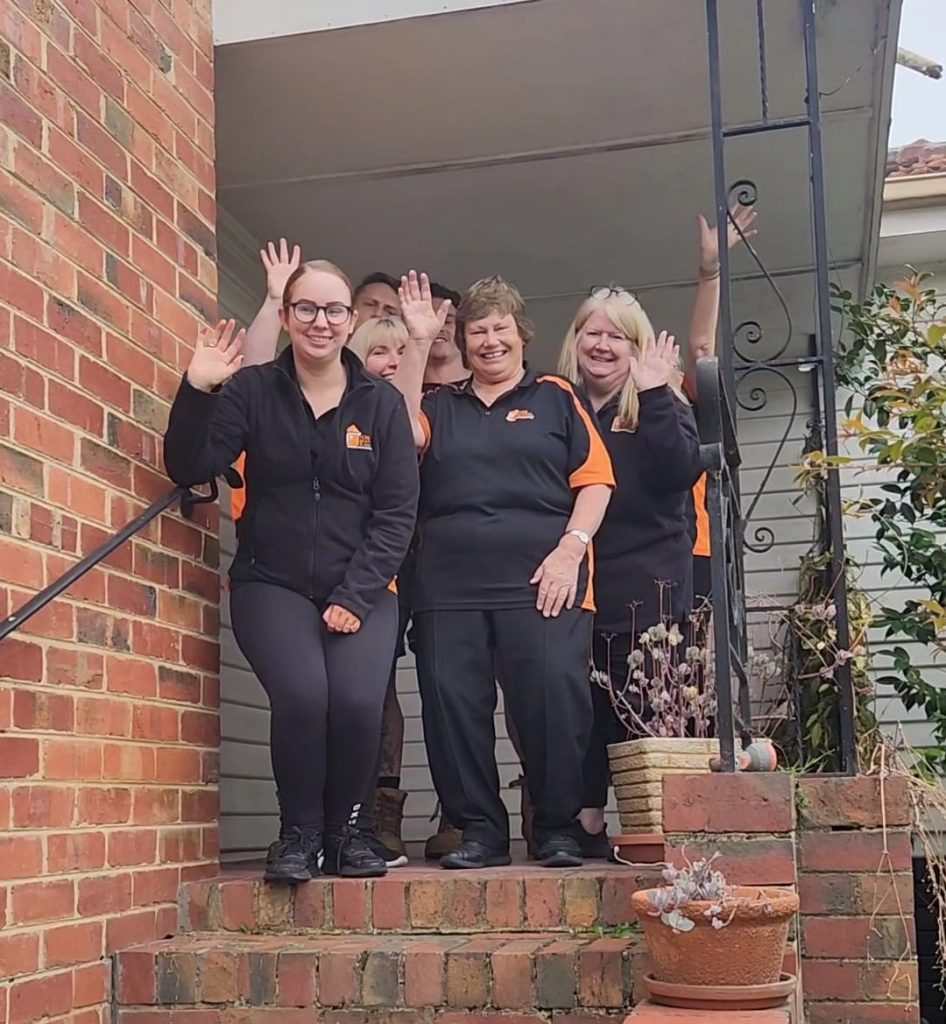
At Home Moving Planners, we understand the challenges of managing a parent’s move to aged care, especially when coordinating from interstate.
Our team provides practical, respectful and efficient support with decluttering, packing, moving and setting up the new space. We work closely with families to ensure the process is handled smoothly, reducing stress and allowing you to focus on supporting your parent during this transition.
If you are managing a move from interstate and don’t know where to start, Home Moving Planners is here to help guide you through every step.